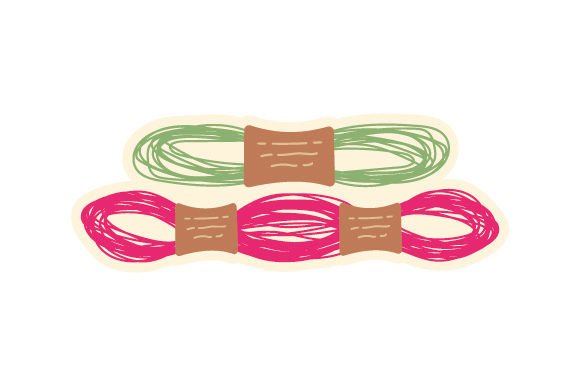
Embroidery Thread
A Professional Designer’s Review for Small Business Merchandise
As an experienced embroidery designer, I’ve had the opportunity to review countless machine embroidery designs for small businesses. Today, I’m evaluating Embroidery Thread—a design that promises versatility and practicality for branded merchandise, patches, and custom apparel. Let’s dive into its potential and limitations from a business perspective.
First Impressions: A Blend of Modern and Versatile
The title Embroidery Thread immediately suggests a design centered around threadwork, which aligns with its intended use as a patch or brand accent. The first impression is clean, modern, and slightly playful, making it suitable for a variety of industries. Whether you're running a café, boutique, or handmade brand, this design feels adaptable enough to fit your visual identity without being too generic.
Real-World Application: From Patches to Product Labels
Embroidery Thread is designed to be used in multiple formats including SVG, PNG, EPS, and DXF, which makes it ideal for both digital embroidery and print applications. As a machine embroidery design, it can be applied to embroidered patches, staff uniforms, aprons, caps, tote bags, and even product packaging. Its simplicity allows for easy integration into a wide range of small business merch projects.
- Embroidered Patch: Perfect for branding, event giveaways, or customer gifts.
- Chest Logo Accent: Adds a subtle yet professional touch to workwear or uniforms.
- Cap Embroidery: Ideal for branded caps, especially for local businesses or creative studios.
- Tote Bag Design: Can be used as a decorative element or a logo on custom tote bags.
- Apron Embroidery: Great for bakeries, florists, or pet brands looking to personalize their products.
- Product Packaging Accents: Adds a handcrafted feel to branded boxes or labels.
Considerations for Commercial Use
While Embroidery Thread offers flexibility, there are several factors to consider before production. It’s important to test how the design performs in real-world scenarios. For instance, using it on small patch sizes may require careful attention to detail, especially if the design includes intricate outlines or text. Similarly, applying it to curved surfaces like caps or aprons may necessitate adjustments to ensure the finished product looks sharp and professional.
Additionally, the design should be reviewed for stitch density and thread colors. High stitch density can increase production time and cost, so it's crucial to confirm whether the design is optimized for commercial embroidery. If the design includes detailed textures or patterns, testing it on different fabric textures will help determine its suitability for various materials.
Brand Identity and Customer Trust
The right embroidery file plays a critical role in shaping brand identity. Embroidery Thread has the potential to enhance customer trust by offering a consistent and recognizable visual element across all products. Whether used as a custom apparel detail or a handmade product embellishment, this design can contribute to a cohesive brand image that resonates with your audience.
Moreover, the use of thread colors and hoop size will influence how the design appears on final products. Ensuring that the design maintains its clarity and impact when printed or embroidered is essential for maintaining visual consistency and product value.
Practical Design Notes for Success
To maximize the effectiveness of Embroidery Thread, I recommend following these best practices:
- Test in Black and White: Ensure the design works well in monochrome before applying color.
- Check Small Patch Size: Confirm that the design remains legible and clear at smaller scales.
- Review Thread Color Contrast: Choose colors that provide good visibility against different fabric backgrounds.
- Inspect Spacing: Ensure there’s adequate space between elements to avoid overcrowding.
- Confirm Hoop Size: Verify that the design fits within standard hoop sizes for your embroidery machine.
- Test on Real Fabric: Always perform a test run on actual material before full production.
- Use Proper Stabilizer: This helps maintain the design’s integrity during stitching.
- Create a Mockup: Present a printable mockup to clients for approval before proceeding.
- Compare with Other Assets: Ensure the design aligns with other design assets and branding elements.
- Confirm Commercial Licensing: Verify that the design is appropriate for business use and not just personal projects.
Final Thoughts on Embroidery Thread
Embroidery Thread is a versatile and promising design for small business owners and crafters looking to add a unique touch to their products. With its adaptability and clean aesthetic, it has the potential to elevate brand recognition and customer engagement. However, it requires thoughtful application and preparation to ensure success in commercial embroidery projects.
Whether you're creating custom apparel, apron embroidery, or digital embroidery files for Etsy, the key is to approach each project with care and precision. By following best practices and considering the specific needs of your business, Embroidery Thread can become a valuable asset in your small business merch strategy.