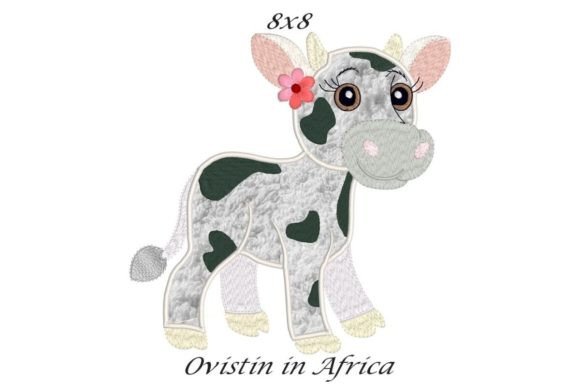
Kitchen Embroidery
First Impressions: A Professional Eye on Kitchen Embroidery
Kitchen Embroidery makes a strong first impression with its clean lines and thoughtful composition. As an experienced embroidery designer, I immediately noticed the balance between functionality and aesthetics. The design feels modern yet approachable, ideal for small business merch that needs to stand out without being overwhelming. It carries a subtle warmth that suggests it’s meant for use in kitchens, but also has the versatility to work across multiple product types.
Visual Personality and Brand Identity
The visual personality of Kitchen Embroidery is friendly and professional. It’s not overly decorative, which makes it suitable for branding that wants to convey reliability and quality. This design could easily become a signature element for a café, bakery, or handmade shop looking to create a cohesive brand identity. Its simplicity allows it to be adaptable, whether used as a logo on aprons, a patch on caps, or a detail on tote bags.
Kitchen Embroidery’s visual consistency is a major plus. It maintains a clear focus on the kitchen theme, which is essential for businesses targeting culinary or home-based markets. The design’s ability to translate well into different formats—like embroidered patches or branded merchandise—makes it a valuable asset for small business owners who want to maintain visual unity across all their products.
Real Business Use Cases for Kitchen Embroidery
Kitchen Embroidery is a versatile design that can be applied to a wide range of small business merch. Here are some practical use cases:
- Embroidered Patches: Perfect for adding a personalized touch to uniforms, caps, or as a gift item for customers.
- Chest Logo Accent: Ideal for staff uniforms or branded apparel where a subtle yet visible logo is needed.
- Sleeve Detail: Adds a professional look to custom apparel, especially for chefs or kitchen staff.
- Cap Design: Works well on cap fronts, offering both style and visibility for branding purposes.
- Tote Bag Mark: Can serve as a distinctive feature for branded tote bags or promotional items.
- Apron Embroidery: A natural fit for cooking aprons, reinforcing brand presence in the kitchen environment.
- Product Packaging Accents: Enhances the overall look of product packaging with a touch of elegance.
- Customer Gifts: Makes for a thoughtful and memorable gift for clients or loyal customers.
- Event Merch: Suitable for event-specific branding, such as food festivals or local fairs.
- Etsy Branding: Offers a great opportunity for handmade brands to showcase their unique style.
- Craft Business Assets: Easily integrated into various craft projects, from labels to fabric embellishments.
- Printable Mockups: Allows designers to visualize how the design will look on different products before production.
- Commercial Embroidery: Ready for use in large-scale production, ensuring consistency and quality.
Considerations for Careful Use
While Kitchen Embroidery is highly adaptable, there are certain scenarios where extra care should be taken:
- Small Patch Sizes: Ensure the design scales well to smaller formats without losing clarity.
- Cap Fronts: Check that the design remains legible when viewed from a distance.
- Curved Surfaces: Confirm that the design works on rounded surfaces like caps or tote bags.
- Tiny Lettering: Verify that any text elements are still readable at reduced sizes.
- High Stitch Density: Be mindful of stitch density to avoid overloading the embroidery file.
- Detailed Outlines: Ensure outlines remain sharp and distinct, especially on textured fabrics.
- Fabric Texture: Test the design on different textures to ensure it looks good on all materials.
- Dark Uniforms: Choose thread colors that provide sufficient contrast against dark backgrounds.
- Frequent Washing: Consider durability and colorfastness for items that will be washed often.
Design Notes for Embroidery Professionals
As an embroidery designer, I recommend the following steps before using Kitchen Embroidery for commercial projects:
- Test in Black and White: Assess the design’s structure and clarity without relying on color.
- Check Small Patch Size: Ensure the design holds up when scaled down.
- Review Thread Color Contrast: Select colors that enhance readability and visual impact.
- Inspect Spacing: Make sure elements are evenly distributed and balanced.
- Confirm Hoop Size: Ensure the design fits within standard hoop dimensions for ease of use.
- Test on Real Fabric: Evaluate how the design performs on actual materials.
- Use Proper Stabilizer: Protect the fabric and ensure a smooth embroidery process.
- Create a Mockup: Present a printable mockup for client approval before production.
- Compare with Other Assets: Ensure visual consistency with other brand assets.
- Confirm Commercial Licensing: Verify that the design is licensed for business use.
Conclusion: Elevating Brand Value with Kitchen Embroidery
Kitchen Embroidery is more than just a design—it’s a tool for building brand identity and customer trust. Its adaptability makes it a powerful asset for small business merch, allowing creators to deliver high-quality, visually consistent products. Whether used on aprons, caps, or tote bags, this design offers a professional and engaging look that enhances the value of your finished product.
For embroidery shops and digital file buyers, Kitchen Embroidery provides a reliable option for custom apparel and branded merchandise. With careful planning and testing, it can become a staple in your design library, helping you create standout products that resonate with your target audience.